
When Good Religion Becomes Bad Faith: The Danger of Spiritual Complacency
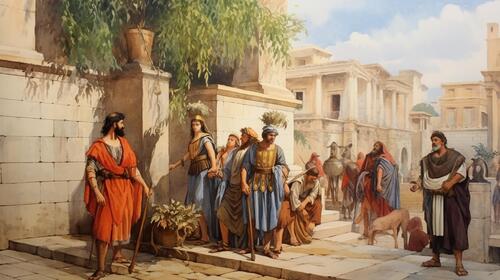
There's a haunting irony in religious life that we rarely want to acknowledge: sometimes the very things meant to draw us closer to God become the very barriers that keep us from Him.
We can possess all the right knowledge, attend all the right services, maintain all the right traditions, and still miss the transformative power of the gospel entirely. We can be religiously aligned without being spiritually alive.
We can possess all the right knowledge, attend all the right services, maintain all the right traditions, and still miss the transformative power of the gospel entirely. We can be religiously aligned without being spiritually alive.
The Mirror of Romans 2
The Apostle Paul didn't pull punches when addressing religious people who confused their spiritual résumé with genuine relationship. In Romans 2:17-29, he confronts those who relied on their religious identity rather than heart transformation. His words cut through centuries to challenge us today.
Paul describes people who call themselves followers of God, who rely on Scripture, who boast in their relationship with the Almighty, who know His will and approve what is excellent. These are people who see themselves as guides to the blind, lights in darkness, instructors and teachers.
These aren't bad things. They're actually beautiful things.
But then comes the devastating question: "You then who teach others, do you not teach yourself?"
The indictment is clear. Knowledge without obedience is worthless. Teaching without transformation is hypocrisy. Religious activity without heart change is spiritual death wearing a Sunday smile.
Paul describes people who call themselves followers of God, who rely on Scripture, who boast in their relationship with the Almighty, who know His will and approve what is excellent. These are people who see themselves as guides to the blind, lights in darkness, instructors and teachers.
These aren't bad things. They're actually beautiful things.
But then comes the devastating question: "You then who teach others, do you not teach yourself?"
The indictment is clear. Knowledge without obedience is worthless. Teaching without transformation is hypocrisy. Religious activity without heart change is spiritual death wearing a Sunday smile.
The Blasphemy of Inconsistency
Perhaps the most sobering statement in this passage comes from verse 24, quoting Isaiah 52: "The name of God is blasphemed among the Gentiles because of you."
Read that again slowly.
God's reputation in the world is tied to the behavior and condition of His people. When our lives contradict our confession, we don't just fail ourselves—we misrepresent God to a watching world.
Consider the research that asked non-Christians what they thought of Christians. The top responses? Judgmental. Condemning. Anti-gay.
While we may hold biblical convictions that the world finds offensive, we have to ask ourselves a harder question: Why did broken people love being around Jesus, but they don't love being around us?
Tax collectors, prostitutes, and sinners flocked to Jesus. The only people consistently angry with Him were the religious elite—the very people Paul addresses in Romans 2. They had all the right theology, all the right traditions, all the right knowledge. What they lacked was a transformed heart that reflected God's love.
Read that again slowly.
God's reputation in the world is tied to the behavior and condition of His people. When our lives contradict our confession, we don't just fail ourselves—we misrepresent God to a watching world.
Consider the research that asked non-Christians what they thought of Christians. The top responses? Judgmental. Condemning. Anti-gay.
While we may hold biblical convictions that the world finds offensive, we have to ask ourselves a harder question: Why did broken people love being around Jesus, but they don't love being around us?
Tax collectors, prostitutes, and sinners flocked to Jesus. The only people consistently angry with Him were the religious elite—the very people Paul addresses in Romans 2. They had all the right theology, all the right traditions, all the right knowledge. What they lacked was a transformed heart that reflected God's love.
Five Gospels
There's a saying worth remembering: There are five gospels—Matthew, Mark, Luke, John, and you. For those who will never read the first four, the only gospel they'll encounter is your life.
What are they learning about Jesus from you?
Are they seeing grace or judgment? Transformation or hypocrisy? Love or superiority? Humility or pride?
We are all ambassadors of Christ, whether we want that responsibility or not. The only question is whether we're good ambassadors or bad ones.
What are they learning about Jesus from you?
Are they seeing grace or judgment? Transformation or hypocrisy? Love or superiority? Humility or pride?
We are all ambassadors of Christ, whether we want that responsibility or not. The only question is whether we're good ambassadors or bad ones.
The Modern Religious Trap
For those of us in church culture today, the trap looks slightly different than it did for first-century Jews, but the danger is identical.
We rely on correct doctrine and theology rather than transformation. We boast about being part of the right church or the right theological tradition. We know Scripture well but confuse possessing truth with living truth. We have strong moral opinions about what's wrong in culture while excusing the pride, gossip, greed, and sexual immorality in our own lives.
We condemn sins we quietly excuse in ourselves. We police outsiders while protecting insiders. We demand righteousness publicly while avoiding accountability privately.
Sound familiar?
Here's the uncomfortable reality: We will always know more than we live. There will always be a gap between our theological knowledge and our practical obedience. The question isn't whether that gap exists—it's what we do with it.
Do we justify it? Minimize it? Ignore it? Or do we humble ourselves, repent, and allow the Holy Spirit to continue His transforming work in us?
We rely on correct doctrine and theology rather than transformation. We boast about being part of the right church or the right theological tradition. We know Scripture well but confuse possessing truth with living truth. We have strong moral opinions about what's wrong in culture while excusing the pride, gossip, greed, and sexual immorality in our own lives.
We condemn sins we quietly excuse in ourselves. We police outsiders while protecting insiders. We demand righteousness publicly while avoiding accountability privately.
Sound familiar?
Here's the uncomfortable reality: We will always know more than we live. There will always be a gap between our theological knowledge and our practical obedience. The question isn't whether that gap exists—it's what we do with it.
Do we justify it? Minimize it? Ignore it? Or do we humble ourselves, repent, and allow the Holy Spirit to continue His transforming work in us?
The Helmet-Only Christian
Ephesians 6 describes the full armor of God—the belt of truth, the breastplate of righteousness, shoes of the gospel of peace, the shield of faith, the helmet of salvation, and the sword of the Spirit.
But how many of us are running around with only the helmet of salvation, thinking that's enough?
We claim to be saved, but we refuse the belt of truth that calls us to integrity. We reject the breastplate of righteousness that demands holy living. We ignore the shoes that would send us out with the gospel. We drop the shield of faith when temptation comes. We never pick up the sword of Scripture to fight spiritual battles.
And then we wonder why sin keeps winning in our lives.
Religious identity was never meant to be a shield protecting us from transformation. It was meant to be a calling propelling us into it.
But how many of us are running around with only the helmet of salvation, thinking that's enough?
We claim to be saved, but we refuse the belt of truth that calls us to integrity. We reject the breastplate of righteousness that demands holy living. We ignore the shoes that would send us out with the gospel. We drop the shield of faith when temptation comes. We never pick up the sword of Scripture to fight spiritual battles.
And then we wonder why sin keeps winning in our lives.
Religious identity was never meant to be a shield protecting us from transformation. It was meant to be a calling propelling us into it.
The Beautiful Word We've Forgotten
Repentance has somehow become a dirty word in modern Christianity. We want worship services and prayer meetings, but a service of repentance? That sounds depressing.
Yet repentance is one of the most beautiful gifts God has given us. It's the ability to turn from our sin and turn to Him in faith. It's the path to restoration and reconciliation. It's how we realign our lives with the heart of Jesus.
When repentance is absent, even good doctrine becomes empty religion that blasphemes God's name. But when repentance is visible and genuine, even our failures can glorify God because they display His transforming grace.
Yet repentance is one of the most beautiful gifts God has given us. It's the ability to turn from our sin and turn to Him in faith. It's the path to restoration and reconciliation. It's how we realign our lives with the heart of Jesus.
When repentance is absent, even good doctrine becomes empty religion that blasphemes God's name. But when repentance is visible and genuine, even our failures can glorify God because they display His transforming grace.
The Question That Changes Everything
So what do you need to repent from today? Where are you putting confidence in something other than Jesus?
Is it your church attendance? Your biblical knowledge? Your service record? Your generosity? Your theological correctness?
These are all good things, but when we elevate them to the level that belongs only to Christ, they become idols that destroy us.
Everyone has a next step of faith. The question is whether Jesus is worth taking it.
Is He worth losing the relationship that's pulling you away from Him? Is He worth the job opportunity that would compromise your integrity? Is He worth surrendering the sin you've been clinging to for years?
If you won't take that next step, you're declaring that Christ is not sufficient. That whatever you're holding onto offers more purpose, fulfillment, and identity than He does.
But if you're willing to surrender and lay it down, you're declaring that Christ is worth everything.
Is it your church attendance? Your biblical knowledge? Your service record? Your generosity? Your theological correctness?
These are all good things, but when we elevate them to the level that belongs only to Christ, they become idols that destroy us.
Everyone has a next step of faith. The question is whether Jesus is worth taking it.
Is He worth losing the relationship that's pulling you away from Him? Is He worth the job opportunity that would compromise your integrity? Is He worth surrendering the sin you've been clinging to for years?
If you won't take that next step, you're declaring that Christ is not sufficient. That whatever you're holding onto offers more purpose, fulfillment, and identity than He does.
But if you're willing to surrender and lay it down, you're declaring that Christ is worth everything.
Grace for the Journey
Here's the good news: God isn't asking you to be perfect. He's asking you to be humble, repentant, transparent, and actively shaped by the gospel you proclaim.
No one is too far gone. No sin is too great. No past is too broken.
The same grace that saved you is the grace that continues to transform you daily. Not through religious activity or moral superiority, but through genuine relationship with Jesus Christ.
So let's stop running around with only our helmet on. Let's put on the full armor. Let's close the gap between what we know and how we live. Let's become the kind of people whose lives make others want to know Jesus.
Because the world doesn't need more religious people. It needs more transformed people who actually look like Jesus.
No one is too far gone. No sin is too great. No past is too broken.
The same grace that saved you is the grace that continues to transform you daily. Not through religious activity or moral superiority, but through genuine relationship with Jesus Christ.
So let's stop running around with only our helmet on. Let's put on the full armor. Let's close the gap between what we know and how we live. Let's become the kind of people whose lives make others want to know Jesus.
Because the world doesn't need more religious people. It needs more transformed people who actually look like Jesus.
Recent
The Beautiful "But" of Romans: From Condemnation to Divine Approval
April 20th, 2026
The Ground is Level at the Foot of the Cross
April 13th, 2026
The Unshakable Evidence: Why the Resurrection Changes Everything
April 2nd, 2026
When Good Religion Becomes Bad Faith: The Danger of Spiritual Complacency
April 2nd, 2026
The Courtroom Where We All Stand: Understanding Our Need for a Savior
March 22nd, 2026
Archive
2026
March
No Comments